Landscapes are Learning Labs explores how landscape architects can partner to create a project-based curriculum that provides young people hands-on, outdoor learning experiences.
by Brad Howe, 2024-25 LAF Fellow for Innovation and Leadership and Principal at SCAPE
As a landscape architect, I’ve seen how our work transforms communities, revitalizes ecosystems, and creates vibrant spaces for people, plants, and animal life. But today, our landscape projects must do more. They must also function as climate adaptation infrastructure, support biodiversity, and inspire people to be active participants in their environment. I believe we need to engage the next generation of environmental stewards with our projects through education.
Our projects are full of complex systems that enrich urban ecology and neighborhoods. We should be using them to teach the next generation why these systems matter, inviting youth not just to enjoy our projects, but to understand, protect, and care for them. This project explores how to build that connection and transform landscapes into living, learning laboratories—extensions of the classroom where students engage in hands-on, place-based learning. Because delivering a landscape project is just the beginning. For landscapes to thrive, they need stewards, advocates, and communities engaged long after the ribbon is cut.
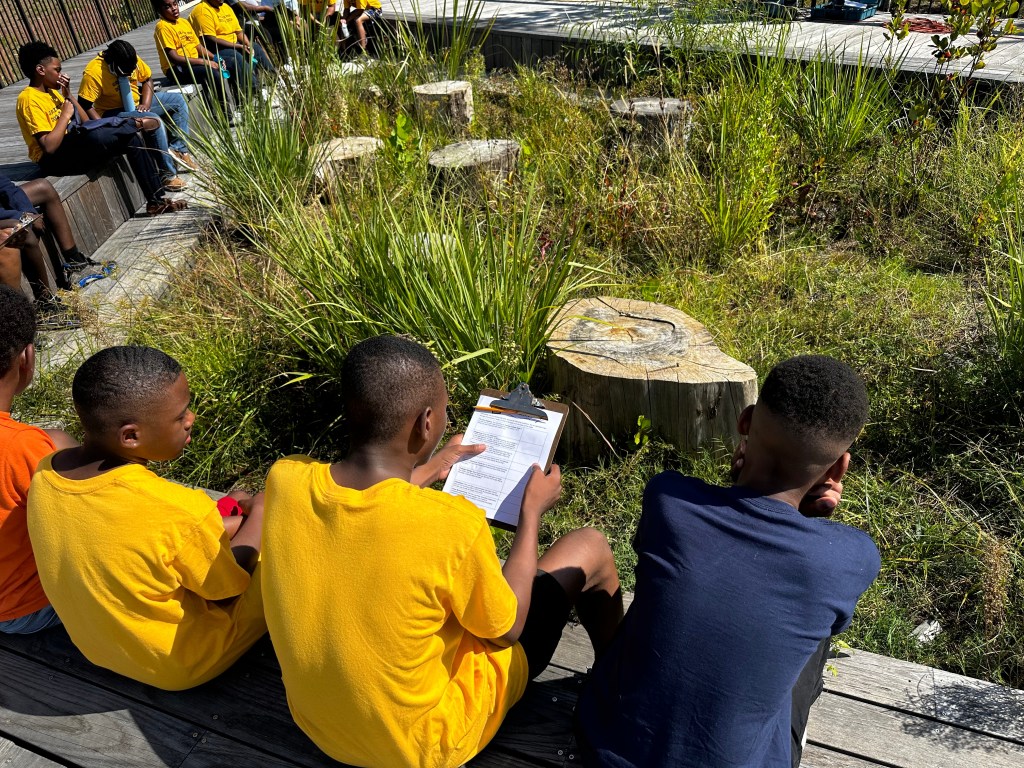
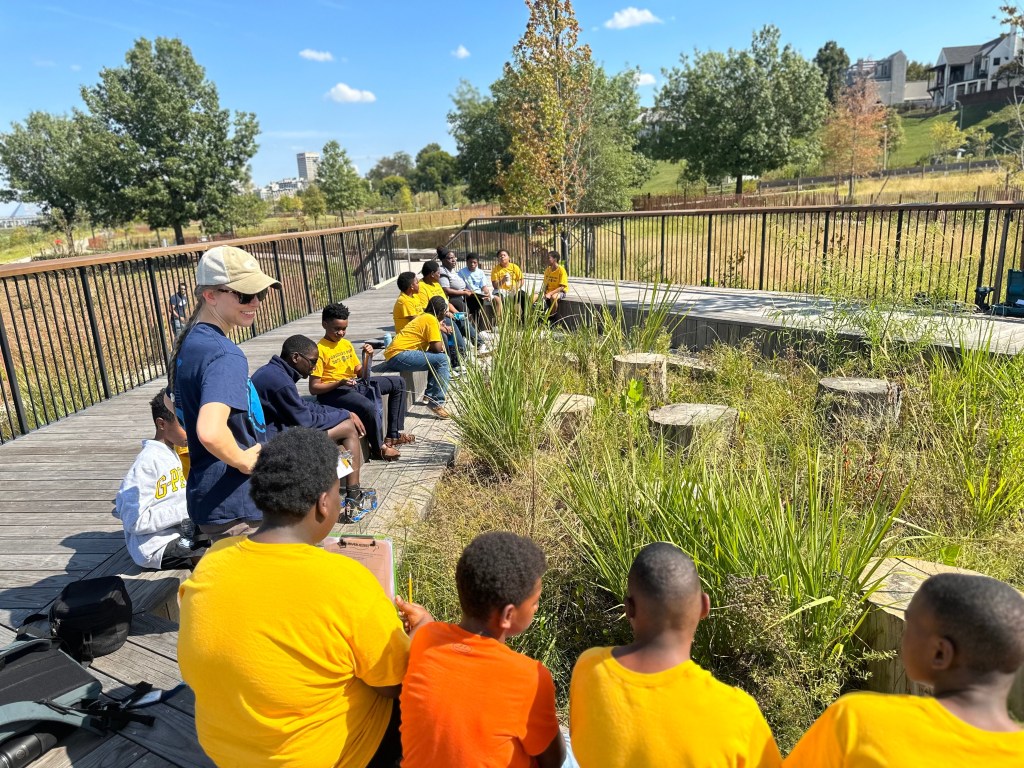
Memphis students examining insect-host plant relationships in the Rhodes Pollinator Lab at Tom Lee Park. Photo, Memphis River Parks Partnership.
Why is this important?
Our kids are our future. They are the generation inheriting a climate crisis shaped by decisions made before them–and many feel powerless to change it. In a recent global survey of 10,000 young people, 57% of respondents reported feeling powerless when asked about climate change.
Emerging research suggests that innovative, place-based STEM education can help restore a sense of agency in youth. Studies also suggest an important relationship between children who engage in outdoor, nature-based activities and pro-environmental values and behaviors in adulthood. Even in a local park, hands-on, immersive encounters with nature, such as exploring local ecosystems, observing wildlife, or participating in environmental projects can spark curiosity and build foundational scientific knowledge. Students can learn about their community, its ecosystems, and how to make an impact in their own neighborhoods, cultivating the next generation of advocates, stewards, and leaders we urgently need.
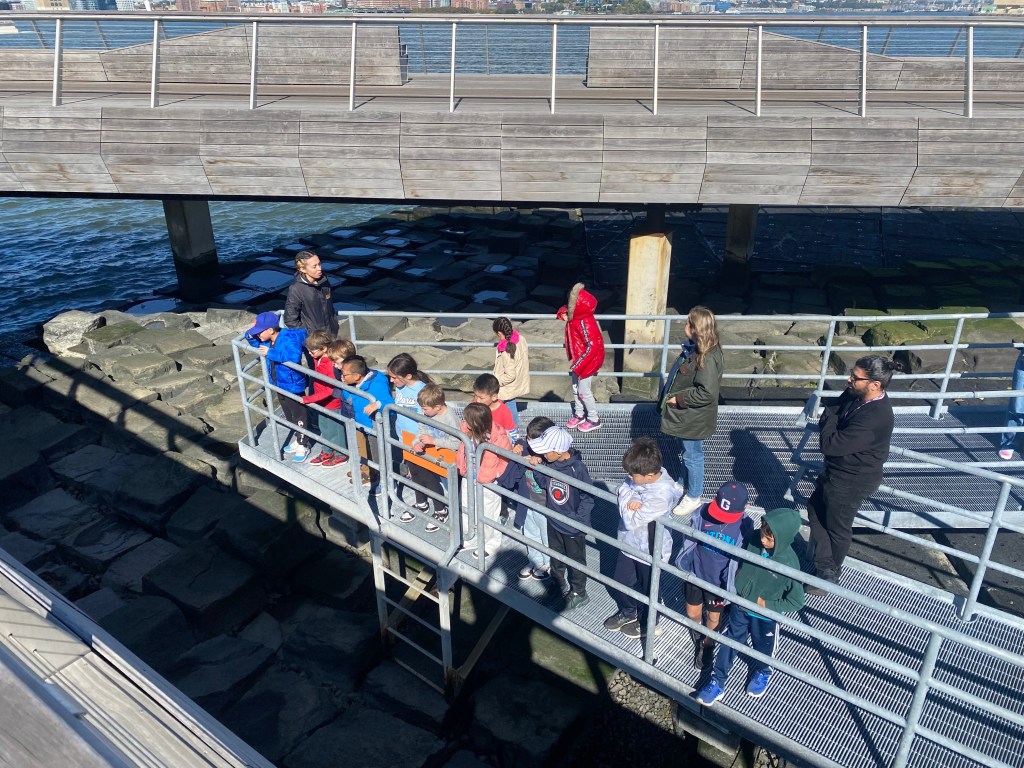
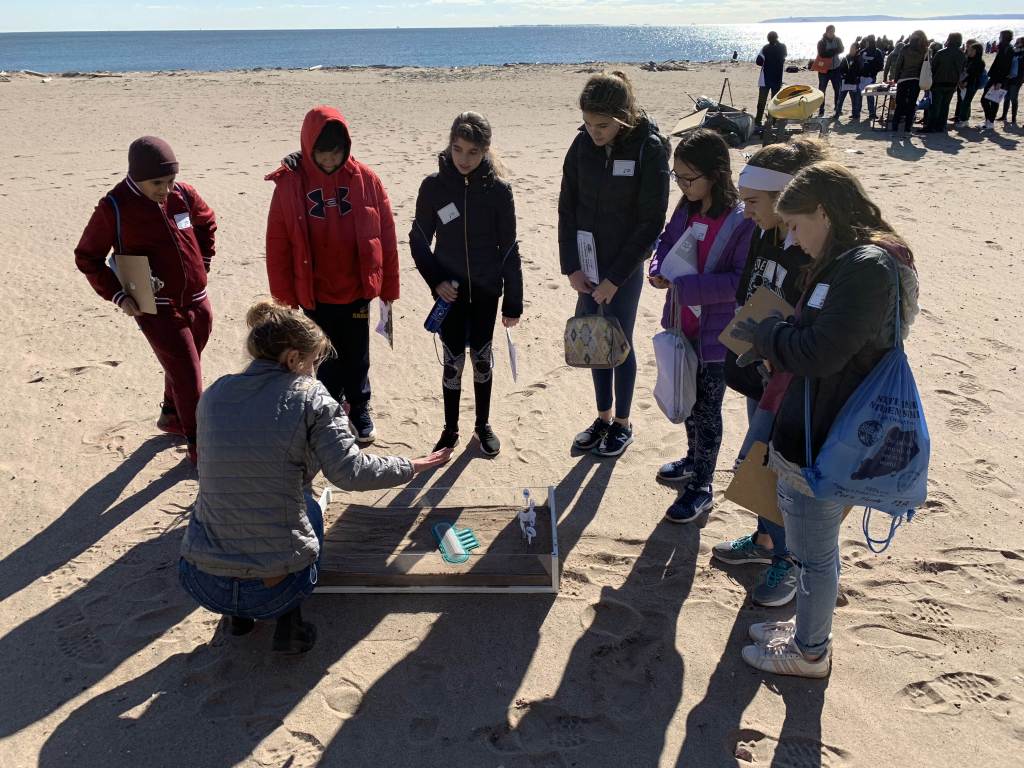
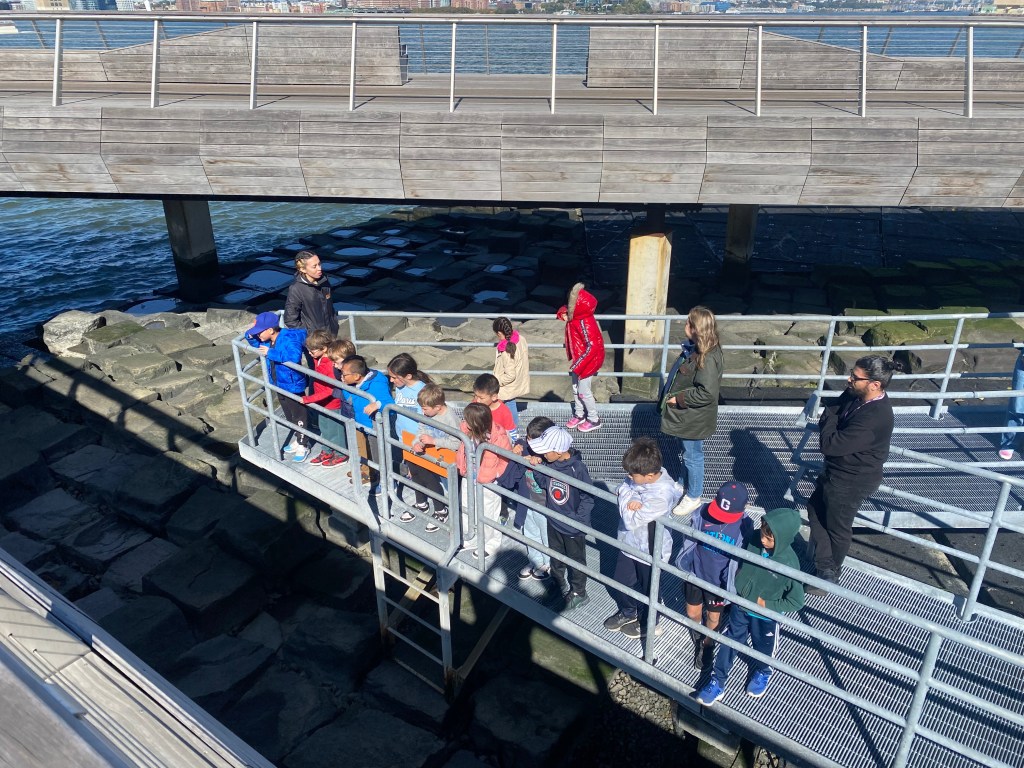
Students learn about shoreline ecology on the Tide Deck at Pier 26. Photo, Brad Howe.
Imagine if every landscape project came with a ready-to-use curriculum for local educators—if every park became a classroom where students could learn science, stewardship, and civic responsibility. Empowering youth through hands-on, place-based learning is not just an educational strategy—it’s an investment in our future.
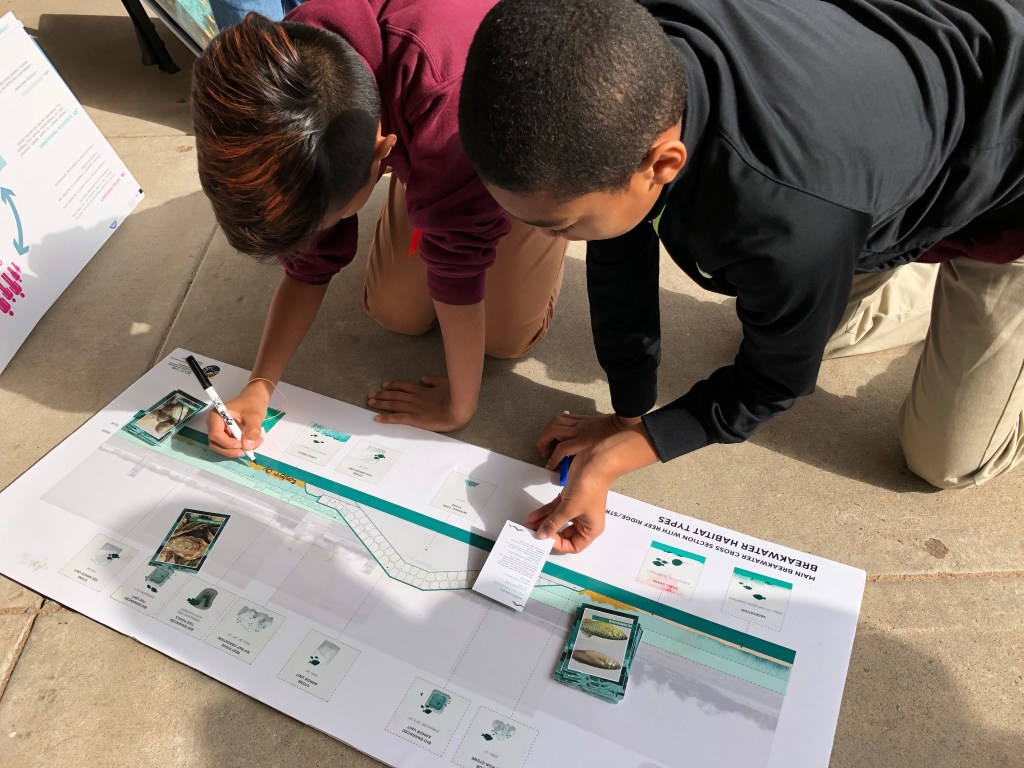
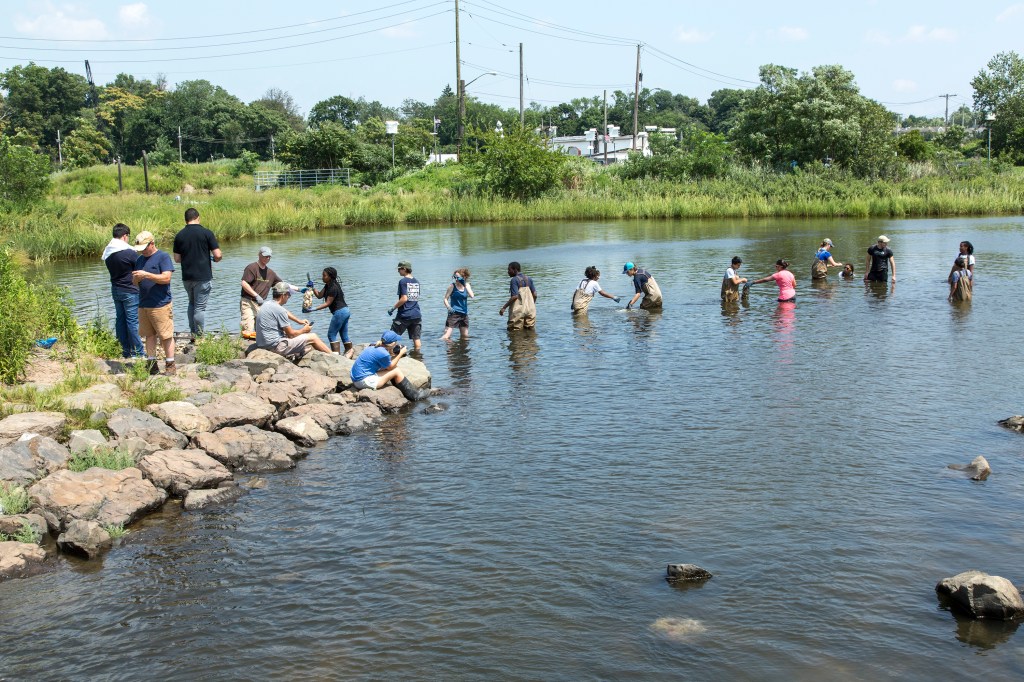
Students learn about the different habitats and marine life on the Living Breakwaters. Photo, SCAPE.
As a STEM discipline, landscape architecture is relevant to this conversation. This project is a call to action for landscape architects and a practical guide to transform landscape projects into learning labs through curriculum. Creating curriculum tied to landscape projects has the potential to:
Restore a sense of climate agency in youth
Inspire environmental advocacy and an ethic of care
Educate the next generation of stewards, leaders, and changemakers
Forge deeper, lasting connections between landscapes and people
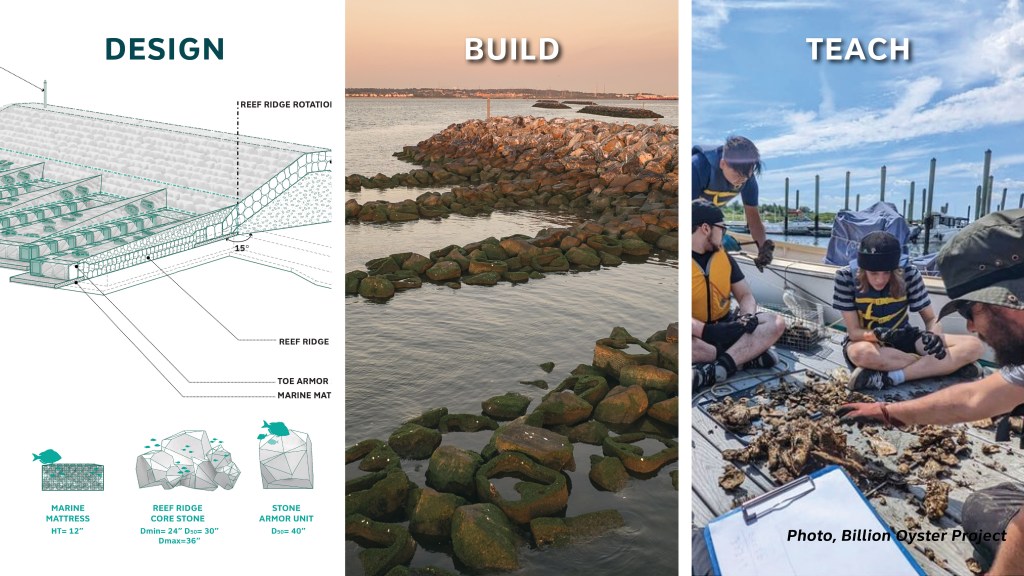
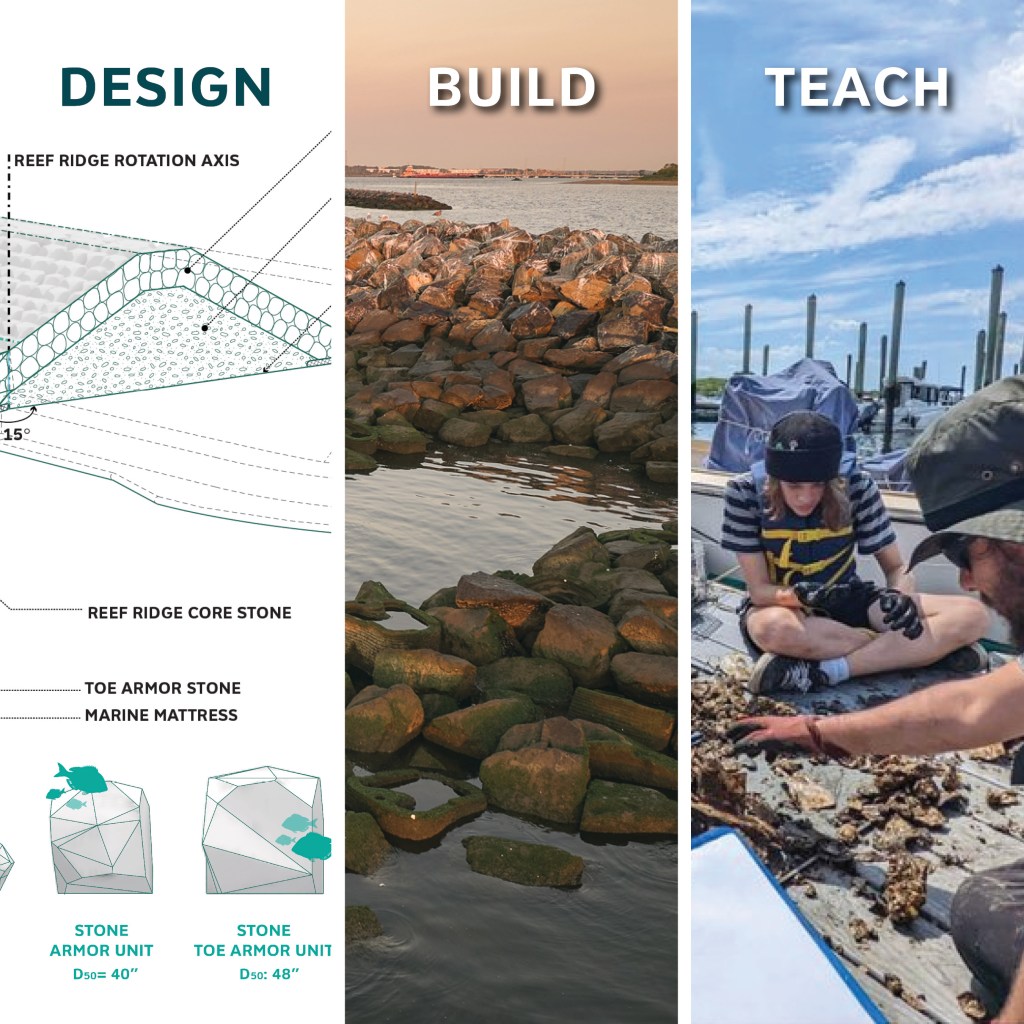
Landscapes are Learning Labs envisions a future where landscapes do more than serve communities—they teach them. This blog brings together research, interviews with environmental educators, park operators, and landscape architects, as well as case studies, to demonstrate how landscape architects can form partnerships to operationalize the development of curriculum within the delivery of a landscape architecture project.
Brad Howe is Principal at SCAPE Landscape Architecture in New York City and 2024-25 cohort member of the Landscape Architecture Foundation’s Fellowship for Leadership and Innovation.
 Landscapes are Learning Labs
Leave a comment